

A practical look at Commercial Space Station Research Facilities operations, including access, logistics, and scientific utilization.
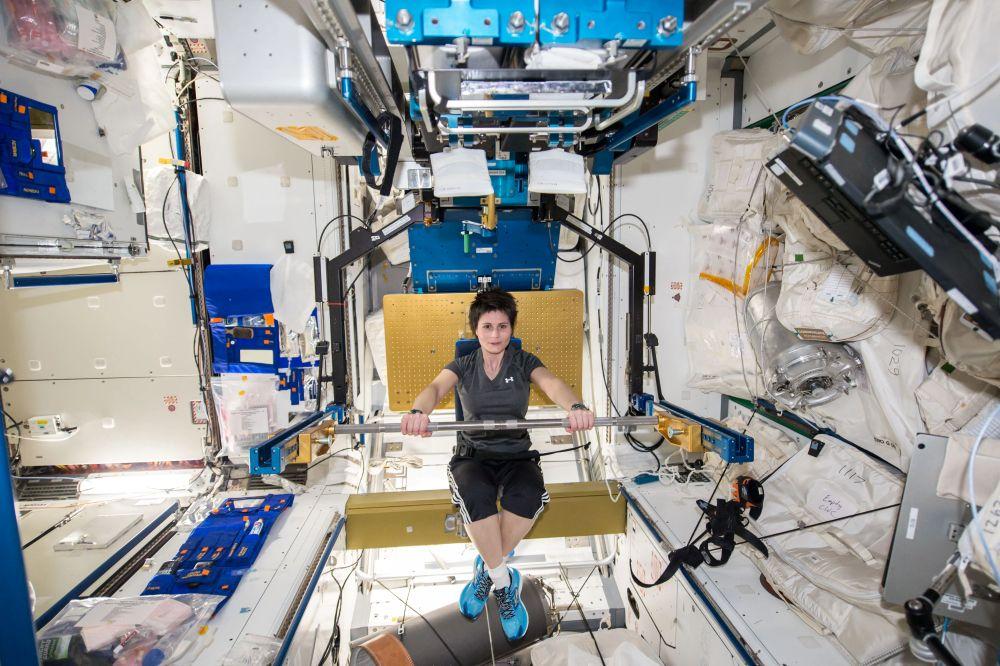
Operating research facilities in orbit presents unique operational challenges and opportunities. The transition towards privately owned and operated space stations is fundamentally altering how scientific inquiry is conducted beyond Earth. These orbital platforms offer dedicated environments for experiments ranging from materials science to human physiology, often under conditions unavailable terrestrially. My experience within this domain has provided a clear view of the intricacies involved, from payload integration to data retrieval.
Overview
- Commercial Space Station Research Facilities provide unique microgravity and radiation environments for diverse experiments.
- Operational models range from fully leased modules to individual payload slots on commercial platforms.
- Accessing these facilities involves strict safety protocols, launch vehicle integration, and precise orbital logistics.
- Payload operations demand robust command and control systems, often managed remotely by ground-based teams.
- Key challenges include high operational costs, limited upmass/downmass capacity, and complex regulatory compliance.
- Future expansion depends on successful private-sector station development and increased demand from scientific and industrial users.
- Research conducted contributes to advancements in medicine, materials, and fundamental physics, benefiting Earth-bound industries.
Operating Models for Commercial Space Station Research Facilities
The operational landscape for Commercial Space Station Research Facilities is evolving rapidly. Initially, much of the orbital research capacity was provided by government-backed programs like the International Space Station (ISS). Now, private entities are developing their own platforms, offering distinct business models. Some companies lease entire modules or laboratory sections to large institutions or national space agencies. Other models involve selling individual “slots” for specific experiments, much like purchasing cargo space on a commercial freighter. This flexibility allows a wider array of users to access space.
Managing these facilities requires a complex interplay of engineering, logistics, and scientific expertise. Payload processing begins long before launch, involving stringent testing and certification to ensure safety and compatibility with the orbital platform. Once in orbit, remote operations centers manage experiment timelines, data collection, and system health. This shift places more emphasis on efficient, customer-centric services. Reliability and consistent performance are paramount for these commercial ventures.
Accessing Orbital Research Opportunities
Gaining access to orbital research opportunities involves several critical steps. First, researchers must secure funding and develop their experiment protocols. This includes designing payloads that meet specific mass, power, and volume constraints. Then, they engage with space station operators, often through a brokerage or direct contract, to reserve space and services. The chosen launch vehicle dictates much of the integration process, requiring strict adherence to its payload specifications and safety standards.
Logistics are a primary concern. Transporting experiments to orbit, known as “upmass,” is expensive and capacity-limited. Similarly, returning samples or hardware to Earth (“downmass”) requires careful planning and available return vehicles. Operators prioritize payloads based on scientific merit, commercial value, and schedule availability. For example, a delicate biological sample might require temperature-controlled transport both ways. The US commercial resupply services play a crucial role in maintaining this logistical chain, ensuring timely delivery and retrieval for numerous orbital experiments.
Challenges and Solutions in Commercial Space Station Research Facilities
Operating Commercial Space Station Research Facilities comes with significant challenges. High operational costs, including launch expenses and crew time, remain a major barrier. Power availability, thermal control, and communication bandwidth are also finite resources, requiring careful allocation among competing experiments. Additionally, the harsh radiation environment and microgravity conditions present unique engineering hurdles for experiment design and hardware longevity. Regulatory compliance, especially for payloads involving sensitive materials or biological samples, adds another layer of complexity.
Solutions often involve standardization and automation. Developing modular payload interfaces reduces integration time and cost. Increased automation minimizes the need for direct crew interaction, freeing up valuable astronaut time for more complex tasks. Operators are also investing in robust data infrastructure to handle large volumes of scientific telemetry and experimental results securely. Collaborative models, where multiple organizations share resources and expertise, can help amortize costs and accelerate the pace of research, making orbital science more accessible and sustainable.
Future Prospects for Orbital Research
The future of orbital research holds immense promise, driven by the ongoing development of new commercial space stations. As these private platforms come online, they will offer expanded capacity, specialized environments, and potentially lower costs compared to current governmental options. This expansion will likely lead to a broader range of scientific and industrial applications, including in-space manufacturing, advanced materials development, and long-duration human health studies. Continued innovation in launch technology and autonomous operations will further reduce barriers to entry.
Increased competition among commercial operators could drive down prices and spur technological advancements, benefiting the entire research community. The ability to conduct continuous, long-term experiments in microgravity will advance our understanding of fundamental physics, biology, and chemistry. This will foster new industries and scientific breakthroughs here on Earth. Ultimately, these growing capabilities will solidify the role of commercial orbital platforms as vital infrastructure for humanity’s scientific and economic progress.


