
Master Launch-Event Planung digital to achieve significant impact. Expert strategies, real-world insights, and actionable steps for virtual success.
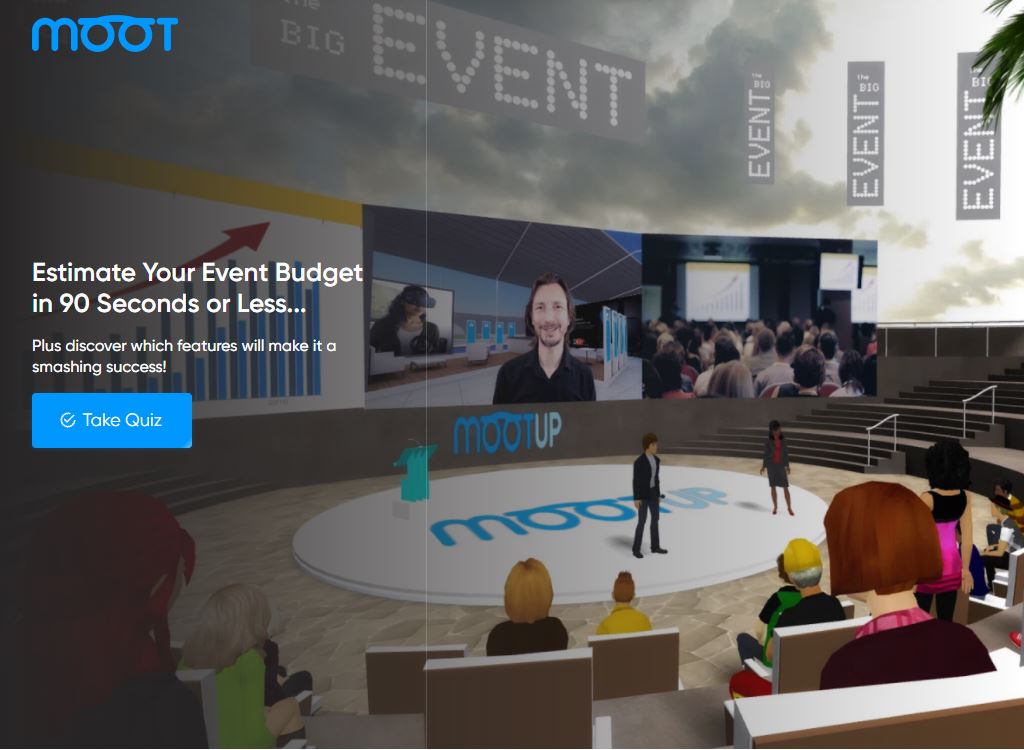
Executing a successful product or service launch in today’s digital landscape demands precision, creativity, and robust technical understanding. From my experience managing numerous high-stakes virtual unveilings, the shift from physical to purely digital has introduced both unique challenges and unprecedented opportunities. It requires more than just streaming a presentation; it involves crafting an immersive brand experience that captivates a dispersed audience and generates measurable excitement. We must rethink every touchpoint, from initial invitation to post-event follow-up, through a digital-first lens.
Overview
- Digital launch events offer expansive global reach, breaking geographical barriers for audience engagement.
- Strategic content planning is crucial for virtual attention spans, prioritizing interactive and concise delivery.
- Selecting the right technology platform ensures seamless execution and a professional attendee experience.
- Data analytics from digital events provide invaluable insights into audience behavior and ROI for future iterations.
- Effective pre-event communication and post-event follow-up are vital for sustained impact and lead nurturing.
- Emphasizing audience interaction through live Q&A, polls, and virtual networking boosts engagement significantly.
- Rigorous technical rehearsals and contingency planning prevent costly disruptions during live broadcasts.
- Understanding local market nuances, even within a global digital event, is key for tailored messaging.
Setting the Stage for Launch-Event Planung digital Success
The foundation of any impactful Launch-Event Planung digital lies in meticulous pre-production. This phase goes beyond simply picking a date. We begin by clearly defining objectives: Is it lead generation, brand awareness, product education, or a combination? Knowing the ‘why’ informs every subsequent decision. Next, audience segmentation is critical. Understanding who you are trying to reach allows for tailored messaging and content formats. For instance, a B2B launch for enterprise clients requires different content depth and interaction points than a consumer product launch. From there, content strategy takes precedence. Virtual events demand concise, high-impact content. Break down lengthy presentations into shorter, digestible segments. Incorporate dynamic visuals, short video clips, and diverse speakers to maintain attention. Think about the narrative arc: what story are you telling, and how can it unfold engagingly in a digital format?
Choosing the right virtual event platform is a strategic decision, not just a technical one. It must support your content needs, engagement features, and analytics requirements. My experience shows that investing in platforms with robust backend support and a user-friendly interface pays dividends. Consider scalability, especially if anticipating a large global audience. We also factor in regional internet bandwidth variations. For US audiences, high-quality streaming is expected, but in other regions, adaptive streaming or lower-bandwidth options might be necessary. Pre-event communications are equally vital. Craft a compelling invitation strategy using targeted emails, social media campaigns, and partner networks. Build anticipation with teaser content and clear instructions for attendees. A strong registration process is the gateway to event success, ensuring data capture and a smooth entry experience.
Engaging Your Audience in the Virtual Space
Maintaining audience engagement is perhaps the biggest challenge and opportunity in the digital event sphere. Unlike physical events where ambient energy helps, virtual spaces require active design for interaction. My approach focuses on creating multiple touchpoints for participation throughout the event. Live Q&A sessions are non-negotiable, but go beyond simple text submissions. Integrate tools that allow upvoting questions, making attendees feel heard and valued. Polls and quizzes, strategically placed, break up content delivery and provide instant feedback, fostering a sense of community. Breakout rooms for networking or deeper dives into specific topics can mimic the spontaneous interactions of a physical event, especially for B2B launches.
Gamification elements, such as leaderboards for participation or points for attending sessions, can add a fun, competitive edge. Think about how a physical event offers different zones – a main stage, demo areas, networking lounges. Replicate these virtually. A ‘virtual expo’ area where attendees can explore interactive product demos or download resources at their leisure extends engagement beyond the live stream. Speaker selection is also key. Choose presenters who are not only knowledgeable but also charismatic and comfortable engaging with a camera and a chat window. Their ability to connect directly with the audience, even through a screen, makes a significant difference. Ultimately, an engaging virtual event is less about broadcasting and more about fostering a two-way dialogue.
Technical Architecture for Flawless Launch-Event Planung digital
The technical backbone of any successful Launch-Event Planung digital cannot be overstated. A glitch-free experience is paramount for maintaining professionalism and audience trust. From my perspective, this involves a multi-layered approach to infrastructure and preparation. First, robust internet connectivity is non-negotiable for all key speakers and production staff. We always recommend wired connections and backup internet options. Redundancy is a core principle here. Utilizing Content Delivery Networks (CDNs) is essential for global reach, ensuring fast and reliable content delivery regardless of an attendee’s geographical location. This is especially true for audiences spread across different continents, including the US, Europe, and Asia.
Beyond connectivity, the choice of streaming technology impacts quality and reliability. We often opt for professional-grade encoders and streaming platforms that offer adaptive bitrate streaming. This dynamically adjusts video quality based on the viewer’s internet speed, minimizing buffering. Audio quality is equally, if not more, important than video. Invest in professional microphones and ensure sound engineers are part of the production team. Lighting and camera setup for speakers also contribute significantly to perceived quality. Crucially, every aspect of the technical setup requires extensive testing. Full run-throughs with all speakers, presenters, and technical crew, mirroring live conditions, are mandatory. This includes testing all interactive features, transitions, and backup plans for unforeseen technical issues. A dedicated technical support team, both pre-event and during the live broadcast, ensures any problems are swiftly addressed, often before the audience even notices.
Measuring Impact and Iterating Your Launch-Event Planung digital
The true value of Launch-Event Planung digital extends far beyond the live broadcast; it resides in the data it generates and how that data informs future strategies. One of the distinct advantages of digital events is the sheer volume and granularity of measurable data points. We track everything from registration rates and attendee demographics to session attendance, duration of engagement, and interaction frequency (polls, Q&A participation, chat activity). Post-event surveys are also crucial for qualitative feedback, asking about content relevance, speaker quality, and overall experience. Understanding drop-off points during the event can reveal areas where content or pacing needs adjustment.
Beyond raw metrics, the focus shifts to actionable insights. What was the most popular session? Which speaker resonated most with the audience? Did the event achieve its primary objectives, such as lead generation or product sign-ups? Connecting event data with CRM systems allows for precise lead scoring and follow-up strategies. For sales-driven launches, tracking post-event conversions is a direct measure of ROI. Analyzing geographic attendance patterns can inform future marketing efforts, highlighting regions with strong interest. The iteration cycle is vital. Review what worked well and what didn’t. Use these insights to refine your next Launch-Event Planung digital. This continuous improvement mindset, driven by data, ensures each subsequent virtual launch becomes more effective and impactful.


