
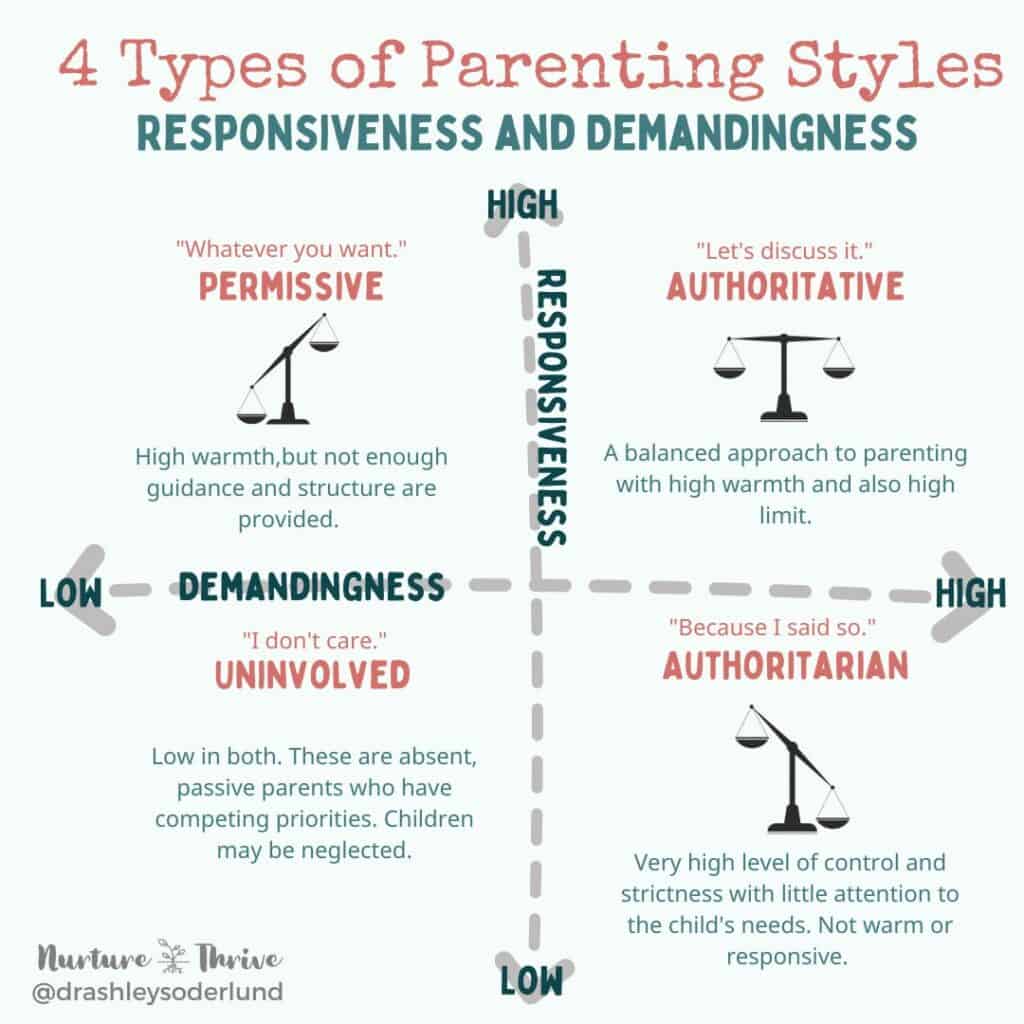
Achieving consistency in parenting is often cited as one of the most significant challenges, yet it’s a cornerstone for raising well-adjusted children. When parents consistently apply rules, expectations, and consequences, children learn what to expect, which fosters a sense of security and predictability. This stability helps them understand boundaries, develop self-discipline, and make informed choices, ultimately reducing power struggles and creating a more harmonious family atmosphere. It’s not about being perfect, but about being reliably present in your approach.
Overview
- Consistency in parenting provides children with a predictable environment, reducing anxiety and promoting better behavior.
- Clear, age-appropriate rules and expectations, communicated effectively, are fundamental to any successful parenting strategy.
- Establishing and maintaining daily routines offers structure and helps children anticipate what comes next, fostering independence.
- All caregivers, including parents, grandparents, and teachers, should aim to align their approaches to discipline and expectations.
- Effective communication involves active listening, explaining reasons behind rules, and validating a child’s feelings while maintaining boundaries.
- When inconsistencies occur, it’s important to acknowledge them, discuss with co-parents, and re-establish the agreed-upon approach.
- Praise and positive reinforcement for good behavior are powerful tools that reinforce desired actions more effectively than punishment alone.
Establishing Clear Expectations and Boundaries
One of the most practical parenting consistency methods starts with setting clear, understandable expectations. Children, especially younger ones, thrive when they know precisely what is expected of them and what the consequences will be if those expectations are not met. Begin by creating a few core rules that are truly important for your family’s safety and values. In many households across the US, these might include “no hitting,” “respect personal property,” or “finish homework before screen time.”
When establishing boundaries, involve your children in the discussion where appropriate. For instance, you could say, “We need a rule about bedtime. What time do you think is fair, and what needs to happen before that?” This collaborative approach gives them a sense of ownership and makes them more likely to adhere to the rules. Ensure these rules are age-appropriate and communicated clearly, using simple language. Write them down and post them where everyone can see them, like on the refrigerator, to serve as a constant visual reminder. The key is that once a rule is set, it must be enforced consistently by all caregivers.
Implementing Consistent Routines and Schedules
Routines are powerful tools for building consistency in a child’s life. A predictable daily schedule for meals, homework, playtime, and bedtime helps children feel secure and competent. When children know what to expect next, they are less likely to resist transitions and more likely to cooperate. For example, a consistent bedtime routine – bath, story, brush teeth, lights out – signals to the child that it’s time to wind down, making bedtime battles less frequent.
This structured approach extends beyond daily schedules. It applies to how you handle specific situations, such as chores or screen time limits. If the rule is “no screens until chores are done,” then every time, without exception, that rule should be applied. If one parent occasionally allows screen time before chores, the consistency breaks, and the child learns that the rule is flexible, leading to future challenges. This method reduces confusion and helps children internalize the routine as the natural order of their day.
The Role of Communication in Effective Parenting Consistency Methods
Effective communication is at the heart of all successful parenting consistency methods. It involves not just telling your children what to do, but also explaining the ‘why’ behind the rules. When children understand the reasons for certain boundaries, they are more likely to accept them and cooperate. For example, instead of just saying, “No running in the house,” explain, “We don’t run inside because someone could trip and get hurt.”
Furthermore, open communication among all adults involved in a child’s life is crucial. Parents, grandparents, babysitters, and even teachers should be aware of and ideally aligned with the family’s core rules and discipline strategies. Regular check-ins with your co-parent or other caregivers to discuss challenges and reaffirm your consistent approach can prevent misunderstandings and ensure a united front. When children see their caregivers working together, it strengthens the message and reduces opportunities for them to play one parent against another. Active listening to your child’s feelings and concerns, even while enforcing a rule, also validates their experience, showing respect and strengthening your bond.
Handling Inconsistency and Getting Back on Track
No parent is perfect, and inconsistencies will inevitably happen. The mark of effective parenting isn’t the absence of inconsistency, but how you address it. When you realize you’ve been inconsistent, acknowledge it. For instance, you might say, “Yesterday, I let you have an extra cookie, but the rule is one per day. I made a mistake, and we’re going back to our one-cookie rule starting now.” This teaches children about accountability and the ability to course-correct.
If there’s a breakdown in consistency between co-parents, discuss it privately. Present a united front to the child, even if you disagree behind the scenes. Come to an agreement on how to proceed, and then explain the new or reaffirmed approach to your child together. Re-establishing the routine and sticking to it firmly, even after a lapse, shows your child that while mistakes happen, the core expectations remain. Consistency is a practice, not a destination. It requires patience, persistence, and a willingness to reflect and adjust when necessary.


